The Estates
Nathaniel, Lord Crewe generously left his landed estates in Northumberland and County Durham to the Charity under the terms of his will. Historically these assets have been held as investments to generate income for charitable giving in line with our charitable objects.


The Estates and their Communities
Over the centuries, Lord Crewe's Charity has awarded small grants to support local community organisations in the areas in which it owns land.
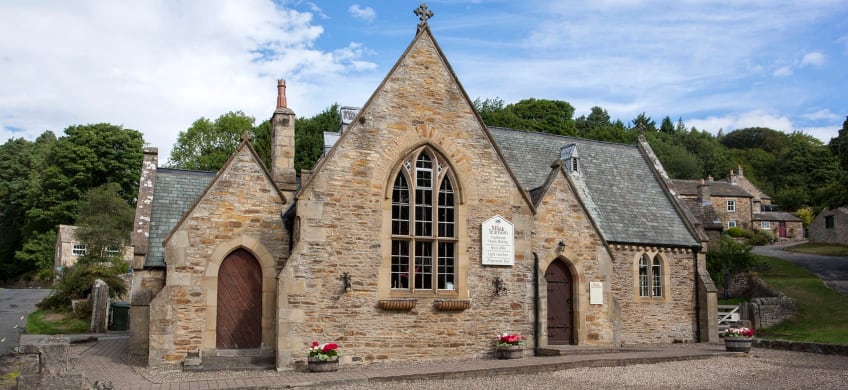
We have recently entered into a partnership with Blanchland & Hunstanworth Parochial Church Council to secure a development phase grant from the National Lottery Heritage Fund to restore the Abbey.
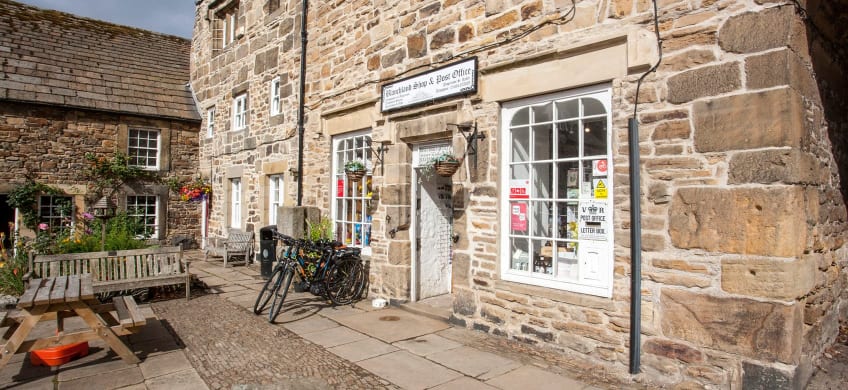
Tourism is an important feature at both Seahouses and Blanchland with the Northumberland coastline being the principal draw for the former, and the distinctive built and natural environment at the latter. Indeed, Blanchland is unusual in its numerous designations, being part of a Site of Special Scientific Interest, a Special Area of Conservation, a Special Protection Area, and being part of the North Pennines National Landscape.

Origins
The estates Lord Crewe left to his charity had been purchased from the family of his wife, Dorothy Forster. The Forster family had been considerable landowners in Northumberland, including the lordship of the manor and Bamburgh Castle.
Among their possessions were the small towns of Shoreston and North Sunderland, the manor of Blanchland with its monastery, the rectory and monastery of Shotley, Fleetham in Bamburgh parish, the manor of Thornton, houses at Alnwick, fishing rights on the Tweed and on the Derwent, and the presentations to four livings and chapelries.
Properties have been sold off the estates over the years, including the sale of Bamburgh Castle, village and surrounding land in 1894 when the Trustees could not face the massive costs for restoration of the Castle. Other significant sales from the original estates have included the western edge of the Blanchland Estate in the early twentieth century, and most of Seahouses Village, including the harbour, and twentieth century developments. The charity will always seek to ensure that it is responsibly managing its assets in the most prudent way in support of its charitable objects.



Ethical Property Management
Mindful of the impact which property management can have on all stakeholders in the Estates as well as wider society, we have adopted an Ethical Property Management Policy.
The Policy sets out ethical ways in which property management should be undertaken on the Trustees’ behalf, including principles of fairness, sustainability and collaboration.
Property Management
If you have any queries relating to the estates, please email us.
You might also be interested in

The history of Seahouses
The Sea Houses were developed as the Trustees invested in growing the importance of North Sunderland harbour in the 19th century, later becoming the better known place name.
The history of Blanchland
From its monastic origins, through lead mining to the rural community it is today, Blanchland has experienced varying fortunes over the centuries.